Part of The Deep Dive, a series of interviews with people on work, life and mental health. A conversation with burnout coach and founder of Pact Coaching, Olivia Abousaid, on energy, burnout, overwhelm, and setting boundaries with yourself.
It's an interesting experience interviewing someone you've known for almost a decade.
I met Olivia in what feels now like a different world. We met through a Meetup group pre-pandemic, in 2019. We connected for the first time at a board game cafe nearby, where I first learned to play Ticket to Ride.
Sadly, the board game cafe and Meetup group have since ended. But our friendship has endured, through a pandemic, shared love of cats, job changes, and countless other experiences over the years. We are the rare LA friends who live within walking distance of each other, and we both love exploring our neighborhood together on mid-morning walks and catching up over ice cream.
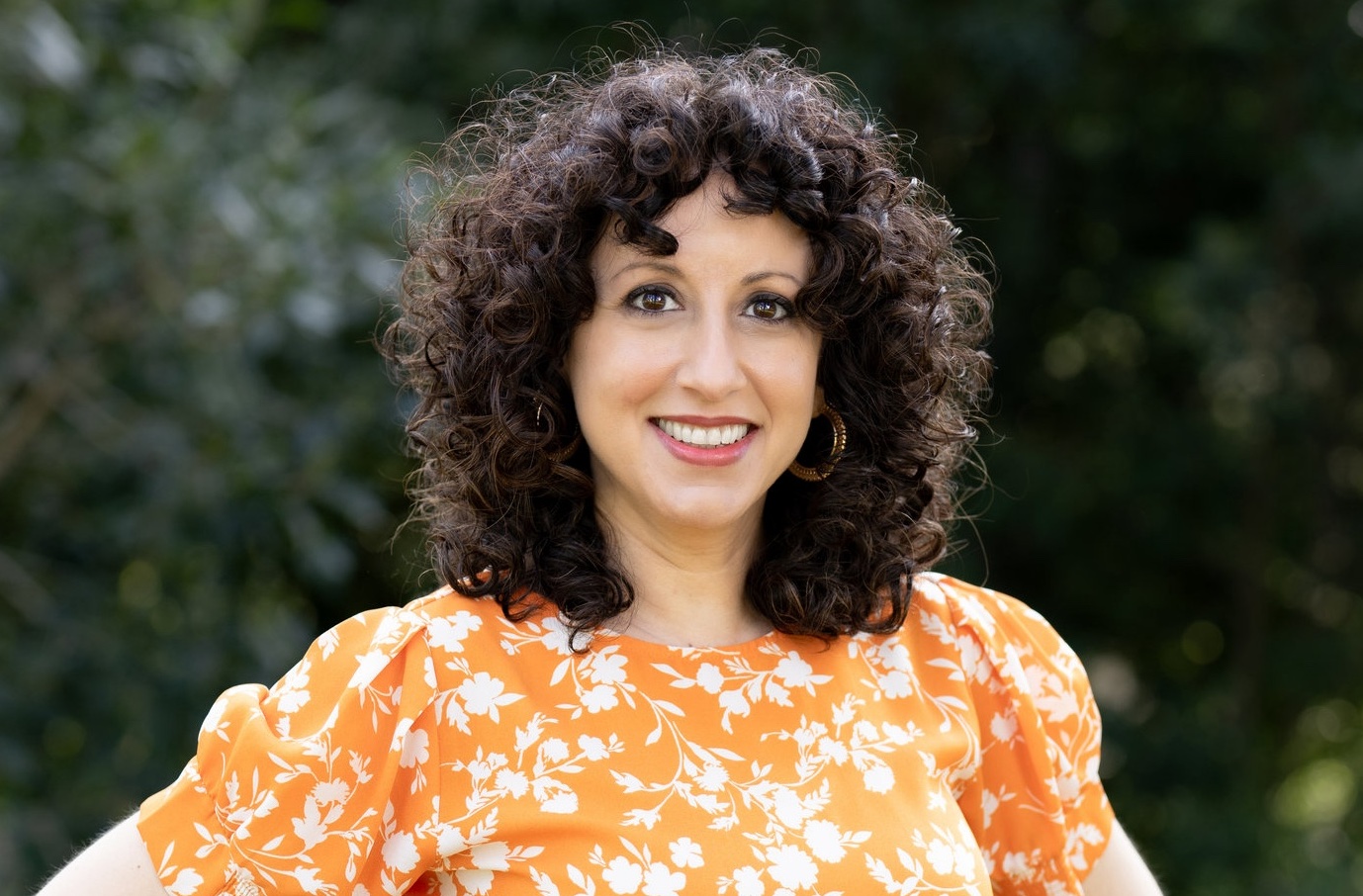
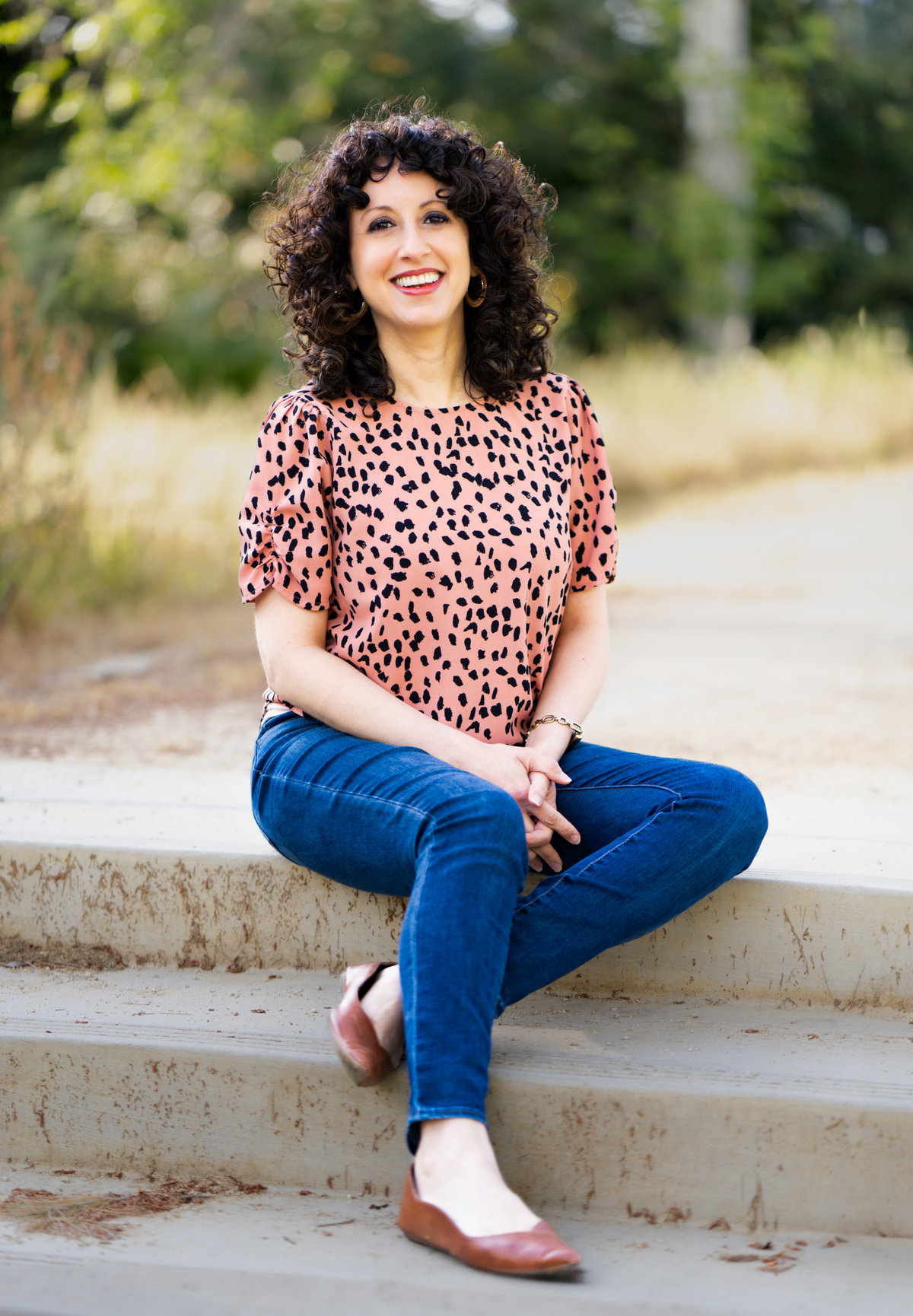
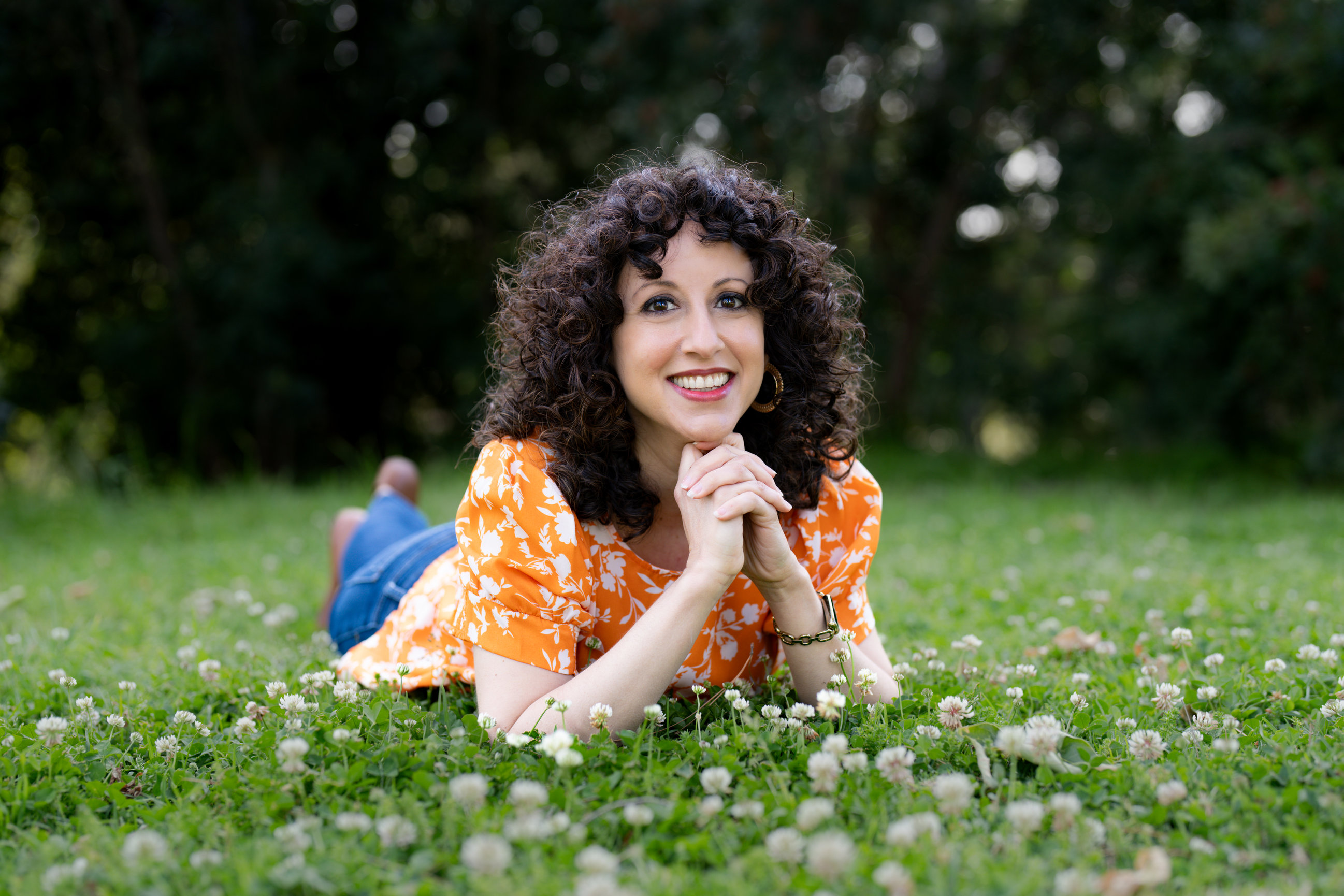
Olivia is a Master Certified Professional Coach and founder of Pact Coaching. She specializes in helping purpose-driven women recover from burnout, emotional exhaustion, and overwhelm. Her approach focuses on managing energy and setting boundaries with yourself — something she learned through experiencing it herself and in living with a chronic health condition.
I had the pleasure of working with Olivia earlier this year as a coachee in her Energy Aligned Year program, and we worked on many of these concepts together. Her warm approach and understanding of ADHD was very helpful in learning to set boundaries with myself, and working with my neurodivergent brain rather than against it by using techniques I'm more likely to stick with. She helped me see that setting those boundaries doesn't need to be strict or boring; it can be fun and a good way to connect with others, like our weekly Finch check-ins with each other (though we're still figuring out how to actually visit each other in the app).
I hope you enjoy this conversation with Olivia. (And if you know how to visit another person in the Finch app, definitely let us know…our birds, Downy and Zahri, would appreciate it!)
Tell me about yourself — who are you, and how do you describe what you do?
I worked for over 20 years in the film industry, and over the past few years, I wasn't as happy doing that. So I started thinking about where I was at in my life and what else I was interested in outside of film.
The mental health space really started to call to me, especially coaching, because I liked that it's focused on where you are now and where you'd like to be, in a way that works with people's capacity, energy, and where they're at in their life. I found that really appealing, especially as I started questioning my love for the film industry. I felt this calling, got my certification and then my master certification in life coaching, and fell in love with it. I was actually surprised, because I went in with more of an exploratory, "let me just try this" mindset. That's what brought me to where I am today: helping people with their burnout, their grief, their emotional and physical exhaustion, to get to a better place.
A lot of people confuse coaching with therapy. How do you define the difference?
Therapy looks at the past and where you are now, and a therapist has the medical training to diagnose a mental health condition. If you go to a psychiatrist, they can prescribe medication. Coaching is focused on where you are at present, what you're dealing with right now, and where you want to be in the future.
To me, they're two sides of the same coin — one is past and present, one is present and future. I go to therapy myself, and sometimes see other coaches too. I find they work hand-in-hand. I'm a proponent of both.
Your practice focuses on burnout, emotional exhaustion, and overwhelm. What led you to focus on that specifically?
It came from my own life experience. I was in charge of a sales team inside the film industry, trying to climb the corporate ladder and get recognized — which is already hard when you're a woman, and a woman of color. I started feeling very burned out, very tired all the time, just exhausted. I tried to push through that for so long that I ended up getting sick — I now have an autoimmune illness, lupus.
My mission has always been to help other women avoid getting to that point, or if they're already sick, to keep it from getting worse — to keep them from going into flares that make their illness worse. I don't want to see women get into the place I was in, where I was so tired and ignoring my own health, not having proper boundaries with myself, that their health suffered.
Across the board with autoimmune illnesses, it's overwhelmingly women who get them, because women are working above and beyond in every aspect of their lives — doing two to three times the work of a man to get the same recognition or even less pay, and at home, often carrying the emotional labor in relationships, with children, and more. With lupus specifically, 90% of people with it are women. I want to be part of the solution in helping women not get to a point where they're so decimated, emotionally and physically, that their energy is depleted and they have nothing left to give, especially to themselves.
You mention on your website that you work with people who are "at their breaking point" — what does that tend to look like, and what warning signs do people usually miss?
When clients come to me, they've usually hit rock bottom or hit a wall — some point where they know what they're doing isn't working, they know they're mentally and emotionally exhausted, and something has to change, even if they don't know how. Often in first sessions, people break down crying. That's very telling.
What I find is that after years of pushing through burnout, people either become an emotional mess or they start dissociating — going numb. Neither is healthy. When they come to me, I want to respect that, help them recognize that what they're going through is normal, and work at their pace toward a more neutral place where they can reclaim their energy and set healthy boundaries with themselves and with others.
Some things I see across the board: emotional numbing or the opposite extreme; feeling directionless and constantly overwhelmed; not knowing what they can set down to give themselves rest — "all these balls are in the air and I can't drop any of them." It's this urgency, this hypervigilance that says, I have to keep it all together all the time. That's a big burden to carry.
One thing that really resonated with me in our coaching together was setting boundaries with yourself. Can you speak to that, and what it looks like in practice?
It's such a powerful thing to do. A lot of people understand it logically but not in practice. It matters because it's a form of self-respect. If you're not setting boundaries with yourself and holding yourself to them, it affects your self-respect, your confidence, your self-esteem — and you take that out into the world with you. If you can't treat yourself well, how do you expect other people to treat you well? It emanates from you.
It takes practice — nobody's perfect at it right away. Sleep is still a work in progress for me personally. What I work on with people is starting to recognize what's working, what's not, and what small boundaries they can set — baby steps, working up to bigger ones.
One thing you and I worked on together was actually gamifying boundaries. Boundaries can be hard, so gamifying them helps — you and I talked about the Finch app for that, and also putting together a worksheet or menu of things to do. It's still work, but it doesn't have to feel like work all the time. You can make it fun, reward yourself — but at the end of the day, it's important work. We do play games with ourselves and justify certain behaviors, and that's fine sometimes — we're human, not perfect. But the goal is to hold ourselves to boundaries in a way that helps us get out of that fight, flight, or freeze state that a lot of the people I see come to me with.
One thing we both talk about is how exhaustion impacts a person physically and mentally. Can you speak to that?
Burnout becomes cyclical — if you're mentally exhausted, you start feeling physically exhausted, and vice versa. It's important to take care of both. We're not machines; we need rest. A lot of my clients feel guilty about resting — like there isn't time for it, or they haven't earned it yet. But we're living in human bodies whether we like it or not, and we need physical and mental rest the same way we need food, air, and water. Even five minutes here and there — play games on your phone, lay on the couch, whatever helps.
I don't tell people to never watch the news or never get on social media. It's about moderation — engaging the way you want to, but setting limits. Instead of doomscrolling for four or five hours, decide: I feel like I've got the day's news, I feel up to date, and anything after this is just doomscrolling and unhealthy for me, so I'm going to take a break. It's a balance that comes with practice, but it speaks to that need for mental, emotional, and physical rest that our society often denies us.
On the topic of energy — one thing you taught me and I've applied to my own frameworks is figuring out what energizes you versus what drains you, and planning around that. Can you speak to that?
It's different for each person. I see a lot in the productivity and mental health spaces that frames burnout purely as a time management issue. I don't believe in that — you can manage your time hour for hour and still feel behind and overwhelmed. I look at it as an energy management issue.
It's something I manage in myself too — I have lupus and hypothyroidism, both of which drain physical energy, which then makes the emotional and mental side harder. With an autoimmune illness, your energy changes day to day, so you have to be flexible: on higher-energy days, what can I do? On lower-energy days, what can I do, and how do I let myself rest? I work on this with clients whether or not they have an illness — the same advice applies.
It's about learning what parts of your day, or even your week, tend to have more energy. For me, Mondays and Tuesdays are higher energy than the end of the week, so I try to do anything important then. Or if there's a recurring thing that's a time and energy suck — say your kid has three soccer games every Saturday — you plan around it, maybe building in more rest on Sunday. I work with clients on identifying which parts of their life take more or less energy, recognizing their own patterns, and working around them — knowing when to optimize and when to rest.
Sometimes you have to set looser deadlines, especially if you're recovering from extreme burnout or emotional exhaustion — it's okay not to have set deadlines for things that don't need them. Life happens, and there are external deadlines we have to roll with, but even then, "how do I manage my energy around this" is worth asking.
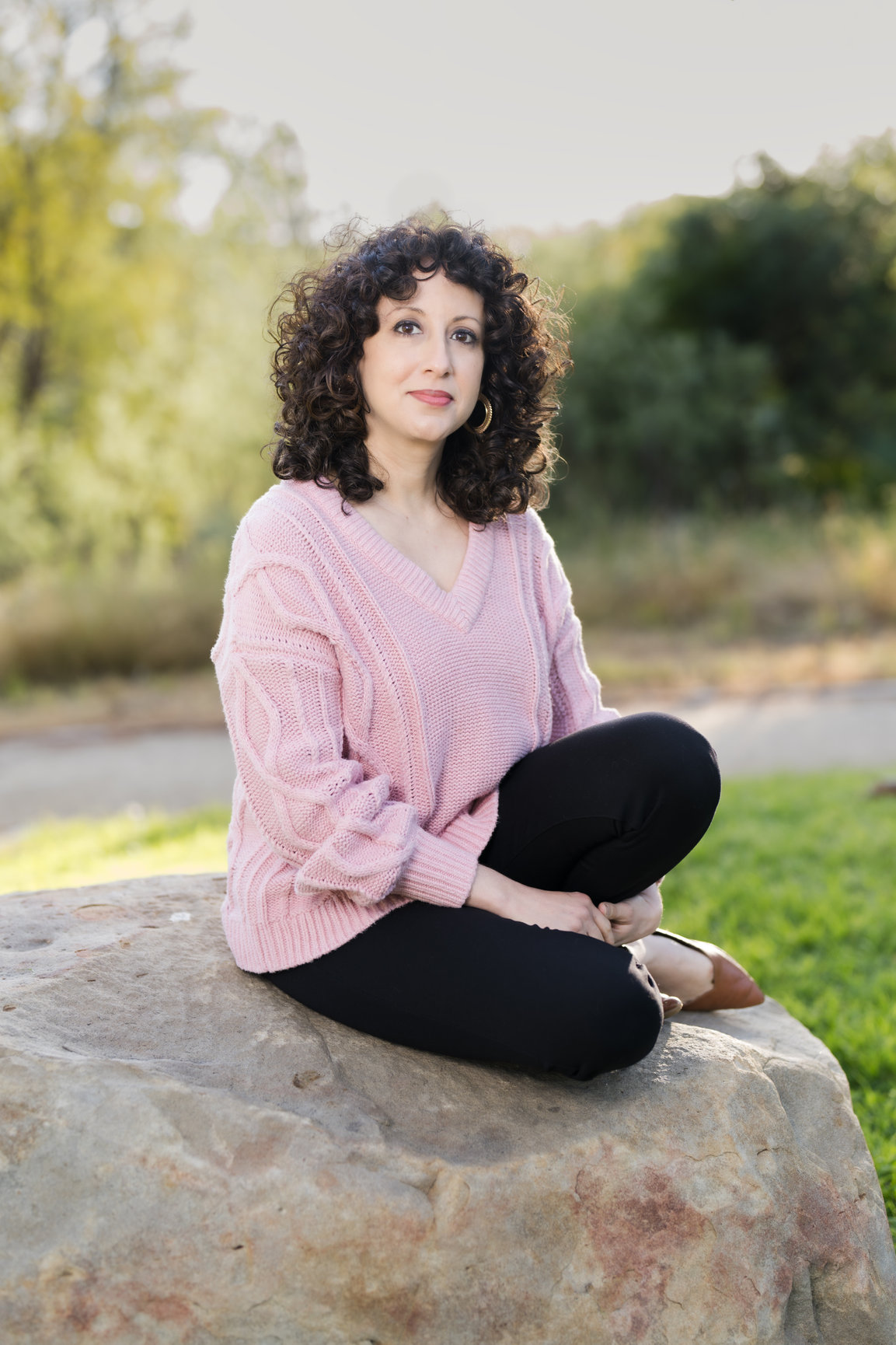
You created a process within your coaching called the Inner Pact Method. How would you describe Inner Pact?
It starts with learning to identify your patterns — what's working for you, what's not, what emotions come up around certain things. That's a big one: learning to name and identify these things, then working toward a place of neutrality, at that person's pace. I stay away from toxic positivity, so I don't promise anyone they'll become the happiest person on the planet. If that happens, great — but what I aim for is a place of neutrality, where someone is no longer in that hypervigilant, fight-or-flight state. It takes work to get out of that, especially after months or years in it.
A big part of getting to that neutral place is safety. When people are burned out and hypervigilant, past traumas can get triggered by what they're going through now, or by being in that heightened state. I see safety as a thread that runs through everything — setting boundaries with others and with yourself, and then reclaiming who you are, or who you were. Sometimes people don't want to go back to who they were — they want to become something new, and that's fine too. Whatever their goals are, I'm serving as their guide, helping them identify what they want for their future and work toward it, at their own pace.
One thing I see in people in these heightened states is that they've lost a sense of safety — at work, out in the world, and sometimes even within themselves. I got diagnosed with lupus right as we were going into pandemic lockdown, and that threw me into a place of feeling very unsafe, being suddenly immunocompromised in a global pandemic. I had to work on that sense of safety for myself. It's something I also work on with clients: identifying what feels unsafe, what feels safe, and how to move toward safety.
If someone reading this is experiencing burnout right now, is there a message you'd want to share with them?
You don't have to do it alone. When you're in a burned-out, exhausted state, you naturally feel more isolated — even people with a strong support system around them can still feel like they're going it alone. I'd recommend searching out help, whether that's talking openly with friends or family and seeing if they can help share the burden, or pursuing therapy or coaching if that's within reach.
Whichever mental health practitioner you choose, be patient — the first person you try may not be the right fit. You may need to try a few people until you find someone who's really hearing you, listening to you, and willing to work at your pace and toward your goals. That person should make you feel safe — safe to be vulnerable, safe to hand over some of that control, trusting them to guide you through your healing process.
If you go the coaching route, look for someone with certifications, credentialing, or life experience to guide you. Most good coaches offer a free clarity session upfront so you can see if it's a fit and ask questions. Take the time you need. But regardless — know you don't have to go through it alone. Always look for help.
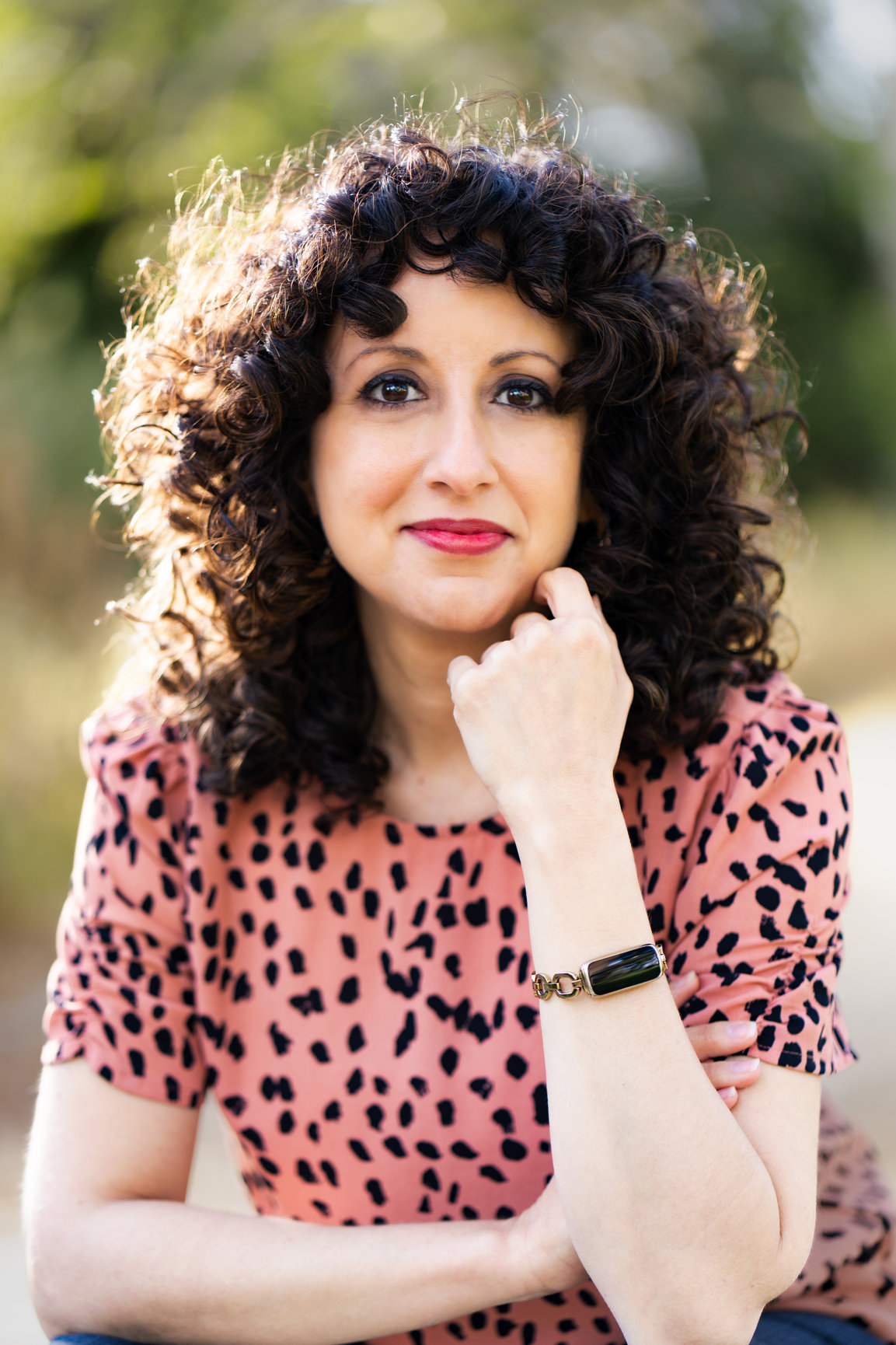
All photos courtesy of Olivia Abousaid. You can find out more about Olivia and her practice, Pact Coaching, here: https://www.pact-coaching.com/. You can also book a free clarity call with her here.